Dental Tourism in Uzbekistan 2026: Prices, Clinics & Trip Plan
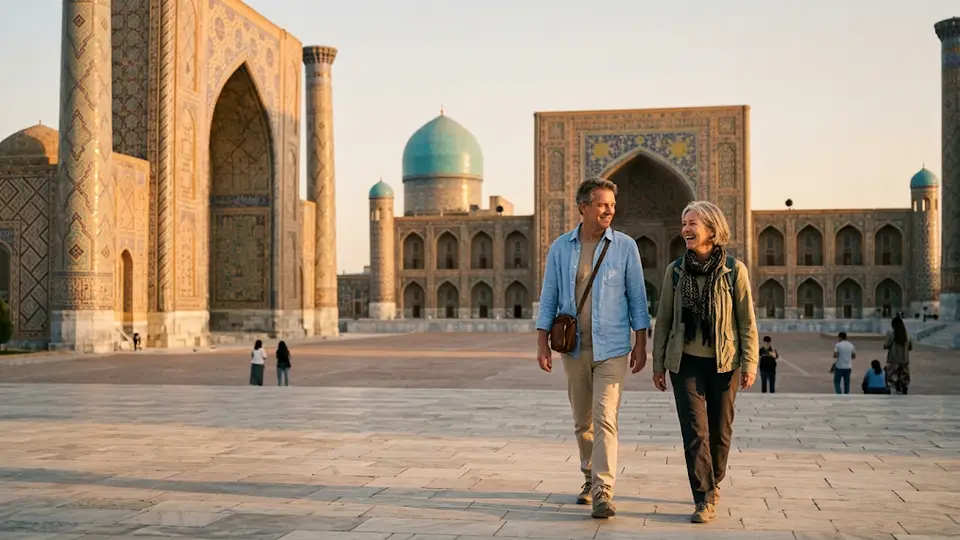
Uzbekistan is quietly becoming one of Central Asia's most compelling dental tourism destinations. Implant treatment starts from around 3 million sum per implant (a full implant-plus-crown solution typically runs 4.5–28 million sum depending on the brand and clinic tier), while comparable work in Turkey, the UAE or Western Europe tends to cost significantly more — often several times higher. For patients flying in from the UK, Germany, South Korea, the US or the Gulf states, the savings on even two or three implants can comfortably cover the entire trip. Tashkent has a well-developed cluster of modern clinics with CBCT scanners, CAD/CAM milling units and English-speaking coordinators.
Visa access has improved markedly. Citizens of over 90 countries — including most EU states, the UK, the USA, South Korea, Japan, Israel and many Gulf nations — can enter Uzbekistan visa-free or receive an e-visa within 48 hours. Direct or single-stop flights connect Tashkent with Dubai, Istanbul, Frankfurt, Moscow, Seoul and Beijing. The airport is roughly 25–30 minutes from the city centre, and good hotels cost a fraction of what you would pay in the Gulf. This combination — accessible entry, affordable accommodation and competitive dental prices — makes a trip genuinely practical rather than aspirational.
A well-structured dental trip to Tashkent typically runs five to seven days. Day 1: arrive, rest, meet your clinic coordinator. Day 2: consultation, panoramic X-ray (from 0.1–0.2 million sum) and 3D CBCT scan (from 0.2–0.5 million sum), treatment planning. Day 3–4: surgical stage — implant placement, and if needed, bone grafting (from 2.5–7 million sum) or a sinus lift (from 3–6 million sum). Days 5–6: recovery, light sightseeing in the old city or a day trip to Samarkand by high-speed train (just over two hours). Day 7: follow-up check, post-op instructions, fly home. For patients needing only crowns or veneers — zirconia crowns run from 2.8–7.8 million sum — the surgical window is shorter and a five-day schedule works comfortably.
How do you verify a clinic before you book from abroad? Start with open-rating platforms and Google Maps reviews, looking for consistent feedback over at least 12–18 months rather than a sudden spike. Check whether the clinic publishes its dentists' credentials and whether they use internationally recognised implant systems. Ask directly: which implant brand do you use, and can you share a sample treatment plan with itemised costs in writing? A reputable clinic will answer clearly. Dentum's catalogue covers more than 1 400 clinics across Uzbekistan, including ratings aggregated from open sources, so you can filter Tashkent implantology clinics by district and compare them before reaching out — without any obligation to book.
There are a few practical points international patients often miss. First, bring any existing X-rays or scans in DICOM format — it saves you a repeat scan fee and gives the surgeon useful history. Second, if you are planning a multi-stage implant (placement now, crown in three to six months), factor in a return trip or discuss whether a trusted clinic in your home country can fit the final restoration using the files your Tashkent surgeon provides. Third, confirm the payment options in advance: most mid-to-upper-tier Tashkent clinics accept card and bank transfer, but it is worth checking. Fourth, purchase travel insurance that explicitly covers dental complications abroad — most standard travel policies exclude elective dental work, so look for a specialist policy.
Beyond the dental chair, Tashkent genuinely rewards a few extra days. The Chorsu Bazaar, the State Museum of History, rooftop restaurants in the Yunusabad district and the above-mentioned Samarkand day-trip make recovery time feel far less like waiting and far more like a trip worth taking in its own right. Uzbek cuisine is nourishing and largely soft-food-friendly in the days immediately after surgery — soups, plov, and bread are staples. Staff at internationally oriented clinics are accustomed to helping patients navigate the city and will often assist with taxi bookings or restaurant recommendations.
The bottom line: for patients already considering implants, crowns or smile makeovers, Uzbekistan in 2026 offers a credible, affordable and logistically straightforward alternative to better-known dental tourism hubs. The savings are real, the entry requirements are easy for most Western and East Asian passport holders, and Tashkent has enough to offer that the trip feels worthwhile beyond the dental work alone. Your next step: use Dentum to browse Tashkent implantology clinics by rating and location, shortlist two or three, send them your CBCT or panoramic X-ray, and compare their written treatment plans — then book a consultation when you are confident in the fit.
Is Uzbekistan visa-free for European and American citizens?
Citizens of most EU countries, the UK and the USA can enter Uzbekistan visa-free or obtain an e-visa online within 48 hours, making trip planning straightforward. It is worth double-checking the current rules on the official e-visa portal before you book, as policies can be updated. For most Western and East Asian passport holders, entry is not a barrier.
How much does a dental implant cost in Tashkent compared to Turkey or the UAE?
In Tashkent, a single implant starts from around 3 million sum, with a full implant-plus-abutment-plus-crown solution typically ranging from 4.5 to 28 million sum depending on the brand and clinic. Treatment in Turkey, the UAE or Western Europe tends to cost noticeably more — as a general rule, significantly higher than Uzbekistan prices. The exact figure for your case depends on the clinical situation and the implant system used, which your dentist confirms after reviewing your scans.
How do I check whether a Tashkent dental clinic is trustworthy before I travel?
Look for consistent long-term reviews on Google Maps and open rating platforms, verify that the clinic publishes its dentists' qualifications, and ask for a written itemised treatment plan before committing. Dentum's open catalogue of over 1 400 Uzbekistan clinics aggregates ratings from public sources so you can compare Tashkent implantology providers before making contact. A reputable clinic will be transparent about which implant brand it uses and will not pressure you to pay deposits without documentation.
What is a realistic 5–7 day dental trip schedule for implant surgery in Tashkent?
A typical schedule looks like this: Day 1 — arrive and rest; Day 2 — consultation, X-ray and CBCT scan, treatment plan; Days 3–4 — implant placement surgery and any supporting procedures such as bone grafting; Days 5–6 — recovery with optional sightseeing or a Samarkand day-trip; Day 7 — post-op check and departure. The exact timing depends on the complexity of your case and whether additional procedures like a sinus lift are required, so confirm the schedule with your clinic once they have reviewed your scans.
Online booking
Book an implant consultation
Pick a day and time — you get a request number instantly.
We match a clinic and call you back
Choose a time- Free
- Instant request number
- Telegram reminder